Posts

Perne Road B-P

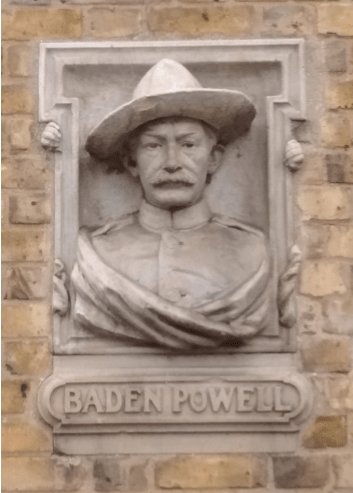
The bust of B-P on the front of the building at Perne Road has beena source of concern for a number of people.

There are most definitely plans to retain this when the site is sold.

I have now a history of where it came from and a page has been added. I would like to locate a clear picture of the building before it was inserted into the wall.

I do not understand the hands that clasp either side of the plaque.

I have also received a number of scout magazines from the 1960’s via John Woolfenden. Any other magazines or books I will welcome to the reference library building at the new HQ.

JWR

On this Day

Today, being the anniversary of D Day I completed a page on S/Sgt William Dillaway, an American Scout buried in the American Cemetery just outside Cambridge. See Individuals

See also the page on American support in 1942 in Local History WW1 / WW2

JWR

Continental coverage

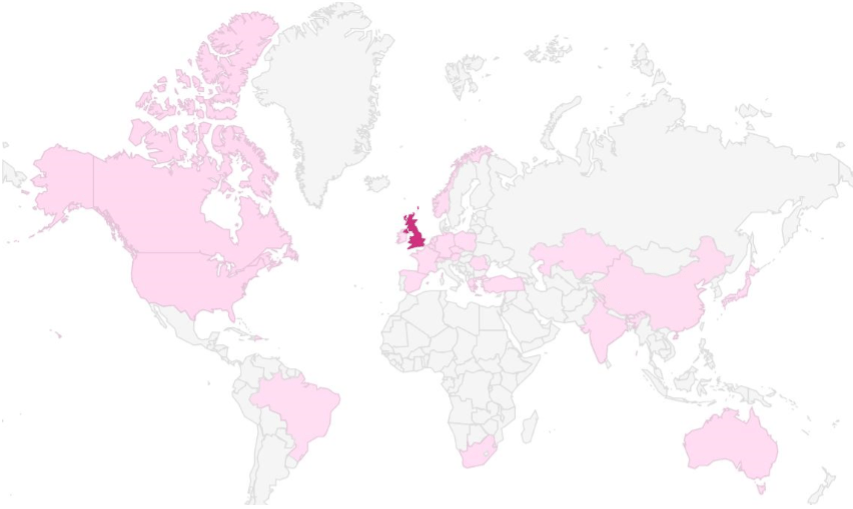
Every continent but Antarctica; and that does not register on the map.

Reading between the lines of the stats I get many of the searches from America are the result of a close match and get no further than ‘Welcome’. Others seem to be a search using an obscure term (to which I plead guilty) such as axemanship. It is harder to read if these visitors were satisfied by what they found.

But some spend time looking at multiple pages – but since they don’t contact the site feedback is missing.

A small pause in the camping season so I can get one or two new pages up; a couple of ‘Individuals and new sources for school troops.

I hope to be working on the physical archive at District HQ soon so bring out your relics.

JWR

Camping Season and a new trophy

We are now into camping season and the pages will slow a little as I devote head-space to Family, Archery, District and Summer camp, and the other Summer camp, and things.

I have, however, found several modern County Trophies and most excitingly the Hele Trophy which is a carved stave in an exotic wood. I will add this to the pages although I have, as yet, incomplete information from the winners plaques and only a poor composite photograph.

‘Most excitingly’? – well maybe ‘very pleasing’. It is at least the only example of a ‘stave’ trophy I have come across in the County and any form is better than another cheap shield. The trophy should have worth in its deliberation and construction to reflect the work done by those competing.

JWR

Juvenile Employment Bureau

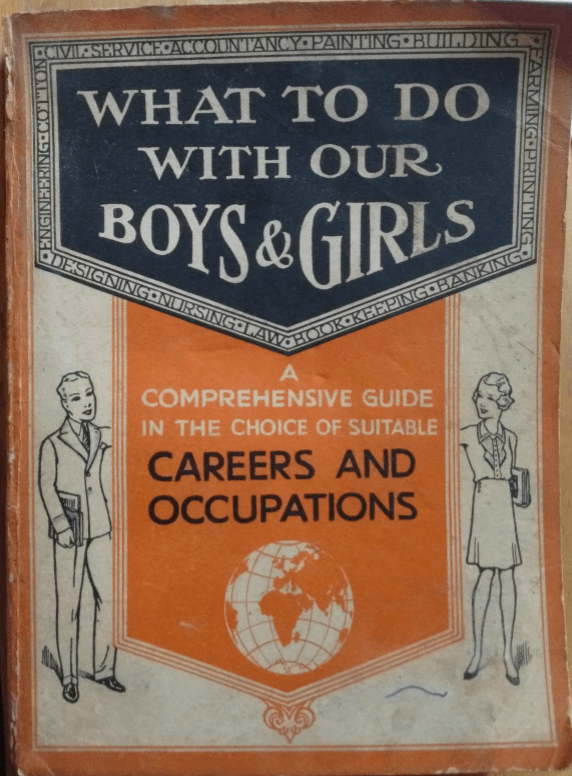
The Juvenile Employment Bureau was a body that advised on the placement on those leaving school at 14 onward. This booklet is undated but probably from the 1920’s and regularly mentions the bureau in conjunction with advice on local opportunities.

The Bureau had a member on the early Cambridge District Association Committee and it is suggested that they were supportive of badge work that specifically lead to improved employment opportunities. The Bureau appears to have been involved in developing the training opportunities to support the requirements of industry.

Amongst the best careers was the very popular Indian Civil Service requiring post graduate training; general clerks were stuck on three pounds a week and with decreasing places as mechanisation advanced; shorthand typists (female) in the Civil Service about 42/- and bonuses of about 26/- but the post must be relinquished on marriage.

JWR

BP in Cambridge in 1911

A set of photograph’s taken from the 1911 Scout Rally have now been published under ‘People/ BP in Cambridge / 1911’

Not great photo’s, but new to the internet and I have not seen them elsewhere.

The first of the two pieces of archival gold dust and far easier to publish. The second must wait awhile to be given shape and polished up.

JWR

CCCL (approximately)

A quick count and I have about 350 pages up – some which will never be read except by accident or by the most careful of researchers. The 47th Cambridge page: nothing but the dates 1931 – 1934 and the village name may lead to this otherwise empty page. No scarf, an IHQ number, but no names or stories.

However, these passing groups do feed into the ‘Demographics’ and if they were missing then the job is not done. And I may find something to flesh out the Group.

I am very glad to say that I have found some pictures of Howard Mallett; the internet had offered nothing but a grainy newspaper photo for the Councils list of past mayors.

Many of the Scouters listed under ‘Individuals’ are now largely forgotten. It is, I was going to say ‘touching’, but I mean upsetting, to read of Arthur Gray sixth son of the Master of Jesus who died in the Great War; and who as Master had to officiate at the opening of the Jesus War Memorial and did not mention his own loss. As upsetting is the tale of Sam Whiteley who was captured with his brother Tom at the fall of Singapore. One survived.

These short lives help us step away from the stereotypes – the ‘military man’ who was called Captain for less than a year after his demob and who worked before and after the war in education; the double-barrelled biblical scholar who was physically weak in his youth but was an Alpinist of note; the Drill instructor who argued against marching.

All of which is to say that I have got a bit sidetracked into these old names. In advance of my finds mentioned in previous blogs I have put Stourbridge Fair 1920 on the site.

JWR Archivist Apr 2019
Colourful Scouts

A small piece on Stained glass and generally bulking out reports but largely looking for histories of early leaders. The double barrelled Vaisey-Hopes and Balfour -Melvilles are easier to locate than a Green or a Rogers but as readily come to no clear conclusions or end up in the doings of their later life.

One sentence in an otherwise work centred recollection or obituary seals the deal and that Scouting encroaches into professional life is significant in itself. It does, however, mean Scouters with an unusual name or a professional or academic background are more likely to appear.

I am working to link a pawnbroker to a Group, but many more will not be easy to isolate.

A bit at a time.

JWR

Axemanship

If not totally re written a number of pictures have been added that show the felling of trees and use of the two hander saw. I had hitherto written that no such pictures were to be found in the Cambridge Archives.

They show just what it is for a less than fully grown Scout to fell a tree. The 1946 picture is to the point and, indeed, at the point.

The use of the hand axe alongside the felling axe in 1947 is, perhaps, unorthodox and may tell of the amount of equipment available. The work expended to fell and limb the trees is clear.

JWR

More gold

The slow gathering of information occasionally uncovers stories and words and photographs bring them to light.

I hope to be able to bring you pictures of the first Cambridge Rally of 1911. Whilst undated all the events reported at the time are evident. I will copy out the fuzzy pictured reports from The Scouter currently available on the site.

JWR